


CBEI Programs
Watershed for Every Classroom
Watershed for Every Classroom is a year-long supported professional development program for educators in the Lake Champlain Basin of New York, Vermont, and Quebec. In Watershed for Every Classroom, we’ll explore how people, places, and things tell the stories of our region. Throughout this course, teachers learn more about the science and history of the Lake Champlain Watershed, engage in field work at a wide variety of sites, and receive materials and resources that they can take back to their classrooms. Participants will collaborate with their peers and instructors to learn strategies for building in-depth understanding of content, skills for community engagement, and a sense of place for their students.
2026-27 Watershed for Every Classroom
Dates:
- August 3-6, 2026
- September 25, 2026
- January 22, 2027
- April 29-May 1, 2027
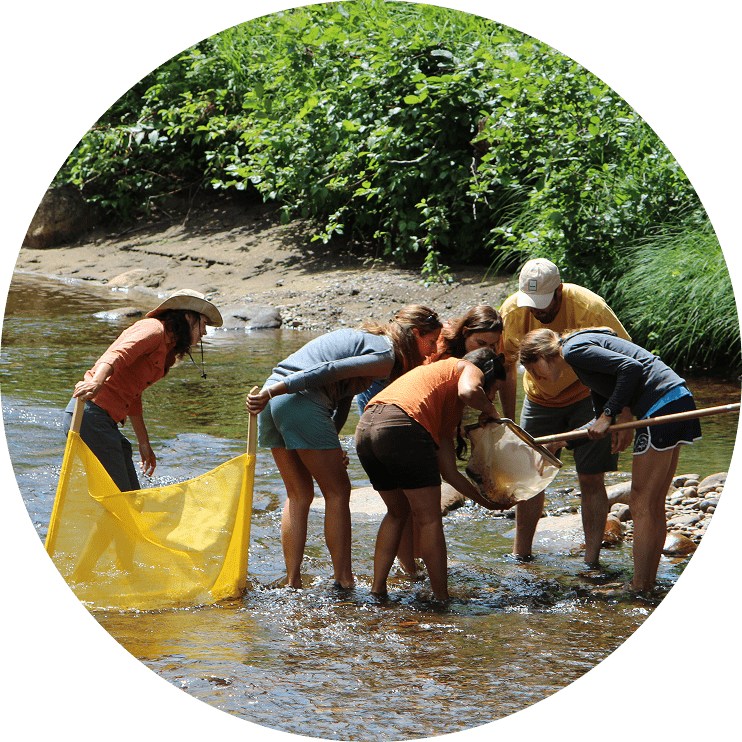
Through hands-on experiences and collaborative learning, educators explore how the people, places, and stories of the Lake Champlain Basin can enrich curriculum, engage students in their communities, and foster a deep sense of place. The journey begins with a four-day summer intensive in early August, followed by learning and collaboration throughout the academic year.
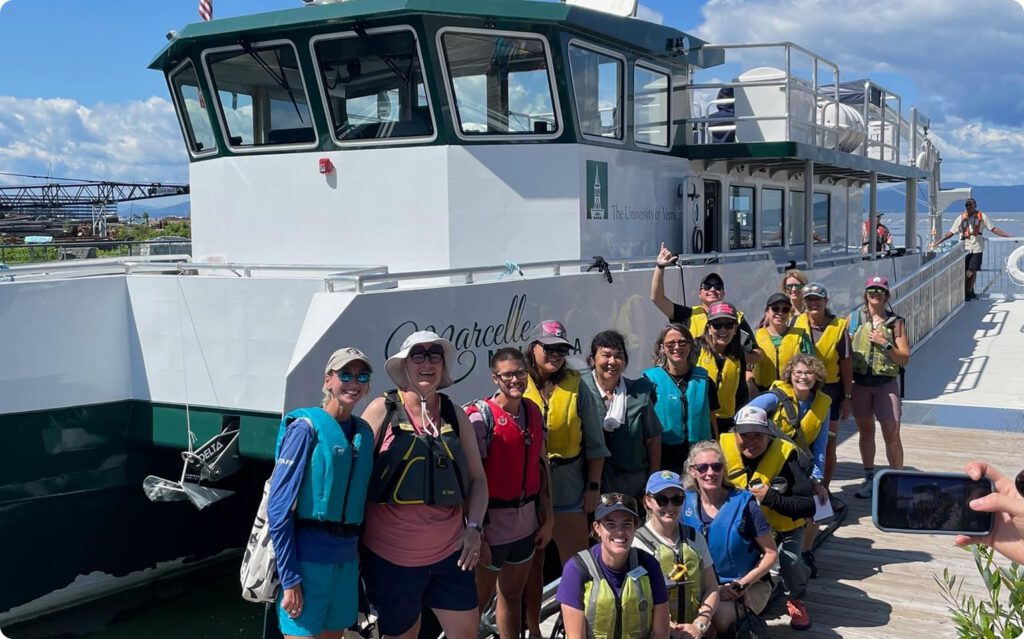
WEC participants visit a variety of locations in the basin to experience hands-on, place-based lessons. These may include: Shelburne Farms, Mt. Philo, the Lake Champlain Maritime Museum, the UVM Research Vessel Marcelle Melosira, the Colleen Hickey Lake Champlain Resource Room at ECHO, the Wild Center, the Adirondack Center for Loon Conservation, working farms, and many other sites.
Educators in all grades and of all disciplines are encouraged to apply. Teams of two or more educators are welcome and strongly encouraged, but individual applicants are also supported.
Join the hundreds of educators who are bringing their subjects to life through watershed education—creating more meaningful, place-based learning for their students.
Applications open soon!
Join the Shelburne Farms educator mailing list to learn about details for the next offering of A Watershed for Every Classroom.
Program Details
You should be willing to:
- Participate in all sessions. Personal transportation will be needed to study sites around Vermont and New York.
- Complete readings and written reflections and participate in collegial planning and dialogue.
- Develop a watershed-based teaching unit that integrates the local landscape. The unit will meet the goals of your district’s curriculum and exemplify best practices of place-based education and service learning.
- Provide a letter of support from your administrator if accepted; this is important to ensure you’ll be giving time during the academic year to join all retreats.
- Next offering in 2026-2027. Dates include: August 3-6, 2026; September 25, 2026; January 22, 2027; April 30-May 1, 2027.
View a sample Watershed for Every Classroom syllabus.
- Program fee: $800, includes housing and meals for single overnights happening in August, September, and May. Needs-based scholarships are available once accepted.
- Educators become eligible for mini-grants for classroom resources to advance student watershed learning after the summer retreat and into future years.
- Lake Champlain Sea Grant is recognized by the New York State Education Department’s Office of Teaching Initiatives as an approved sponsor of CTLE for Professional Classroom Teachers, School Leaders, and Level III Teaching Assistants. CTLE certificates of completion will be offered for educators in attendance for the full duration of the program.
- Optional graduate credits for an additional fee: 3- and 6-credit options are available from Castleton University. 3 credits are available for the summer only portion and 6 credits for the full year.
The many compelling stories, problems and perplexities of our places can be woven into formal learning plans to the benefit of students, teachers and the communities in which we work.”
Amy Demarest, Our Curriculum Matters, Curriculum Coach
The many compelling stories, problems and perplexities of our places can be woven into formal learning plans to the benefit of students, teachers and the communities in which we work.”
Amy Demarest, Our Curriculum Matters, Curriculum Coach